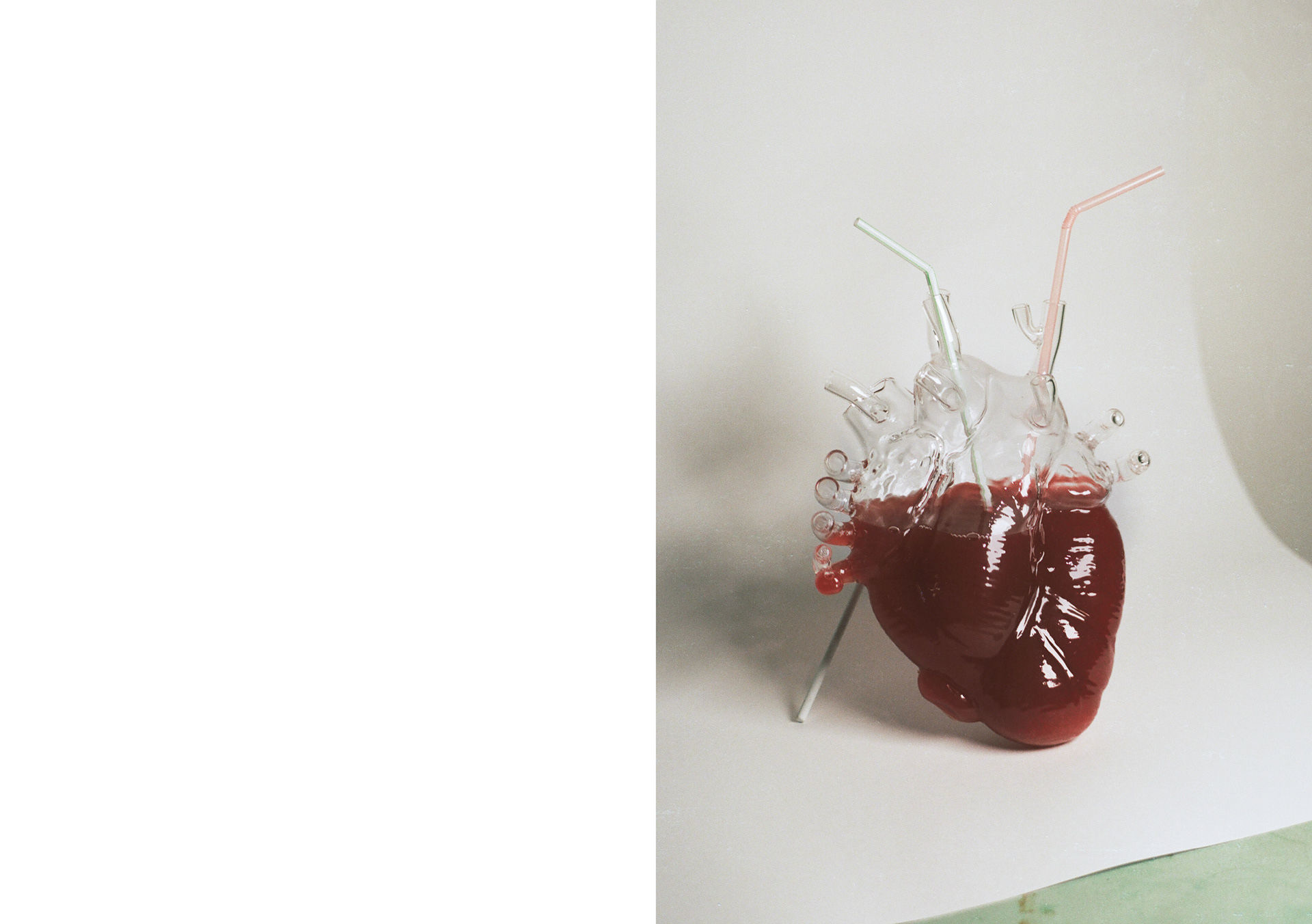
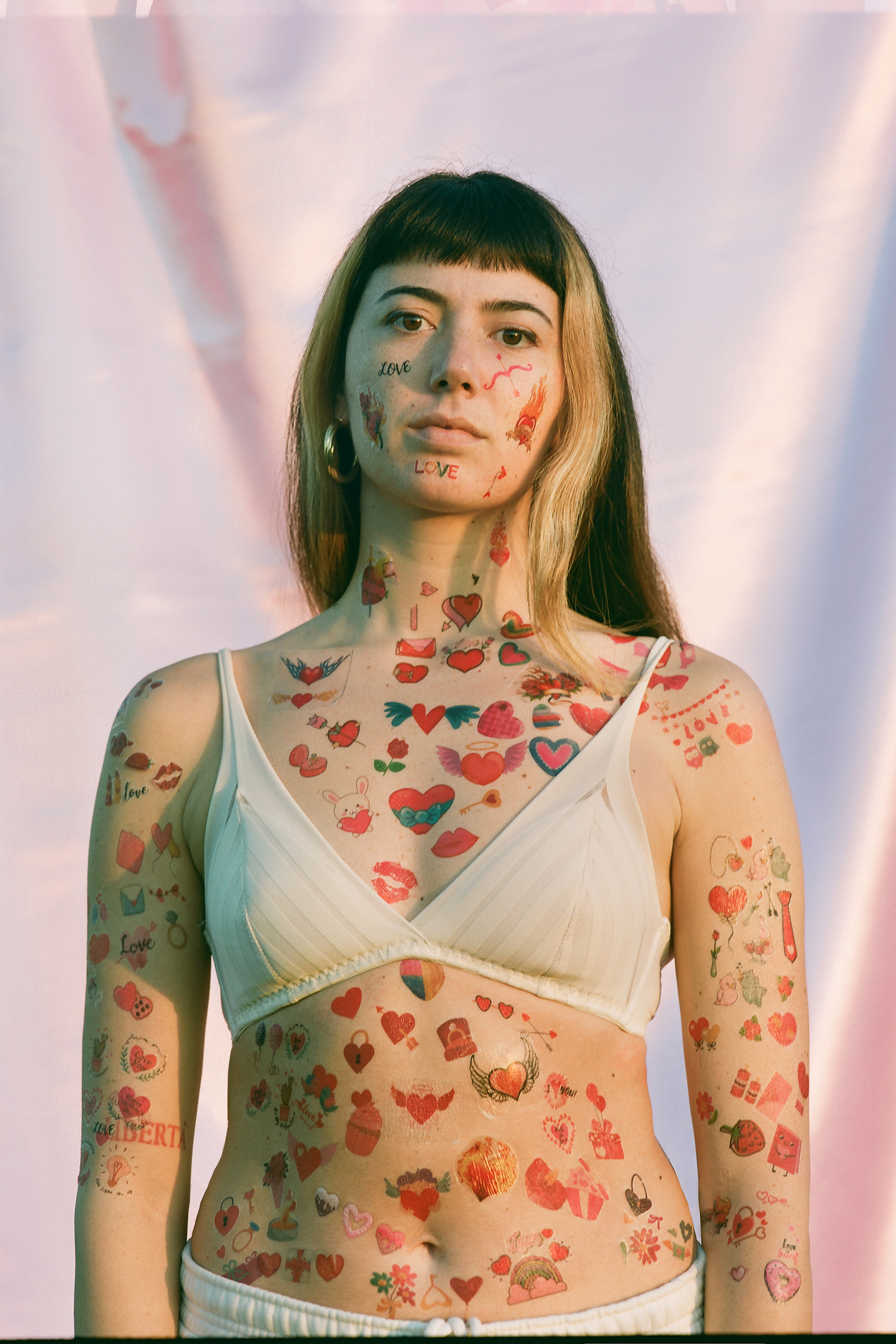
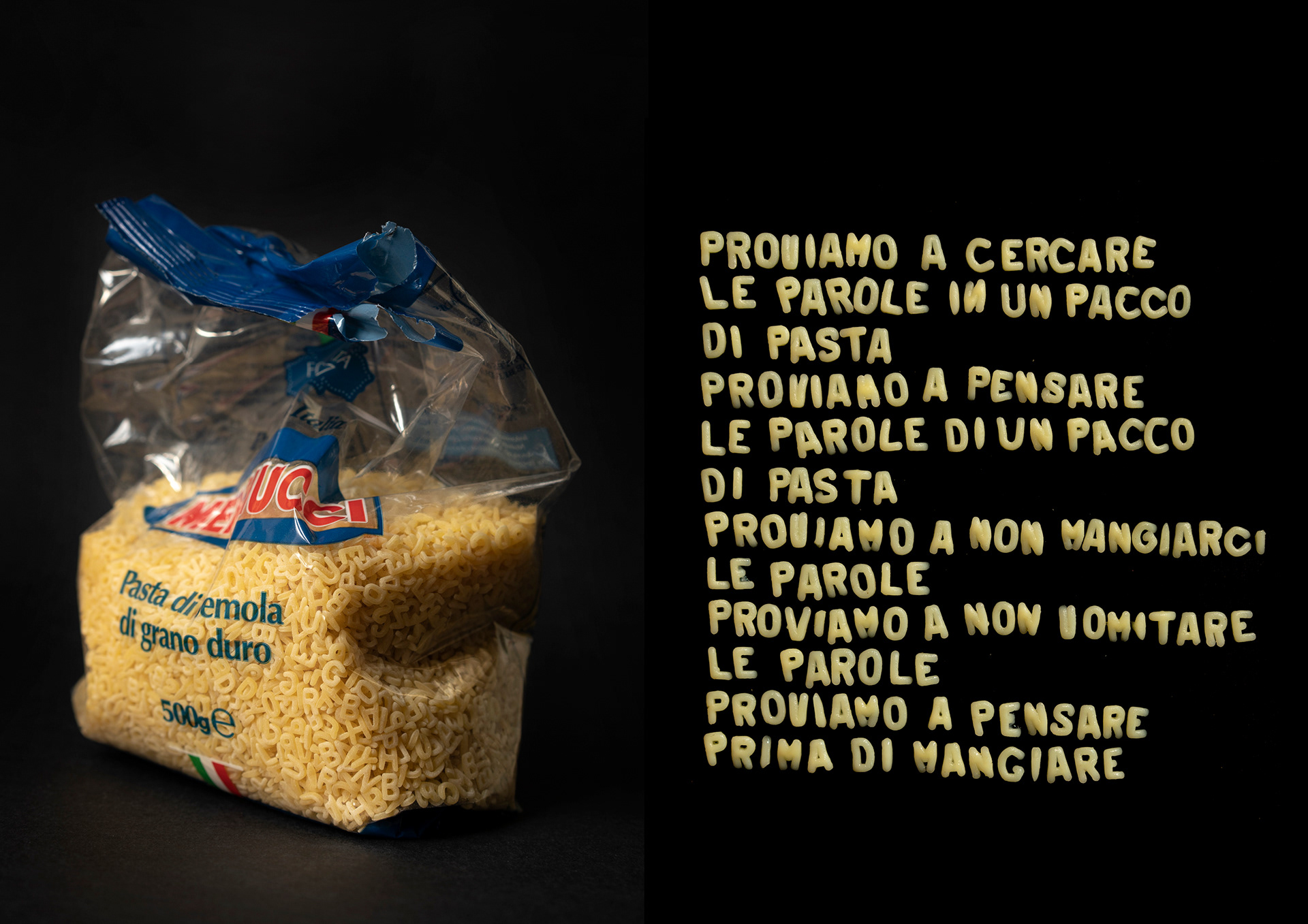
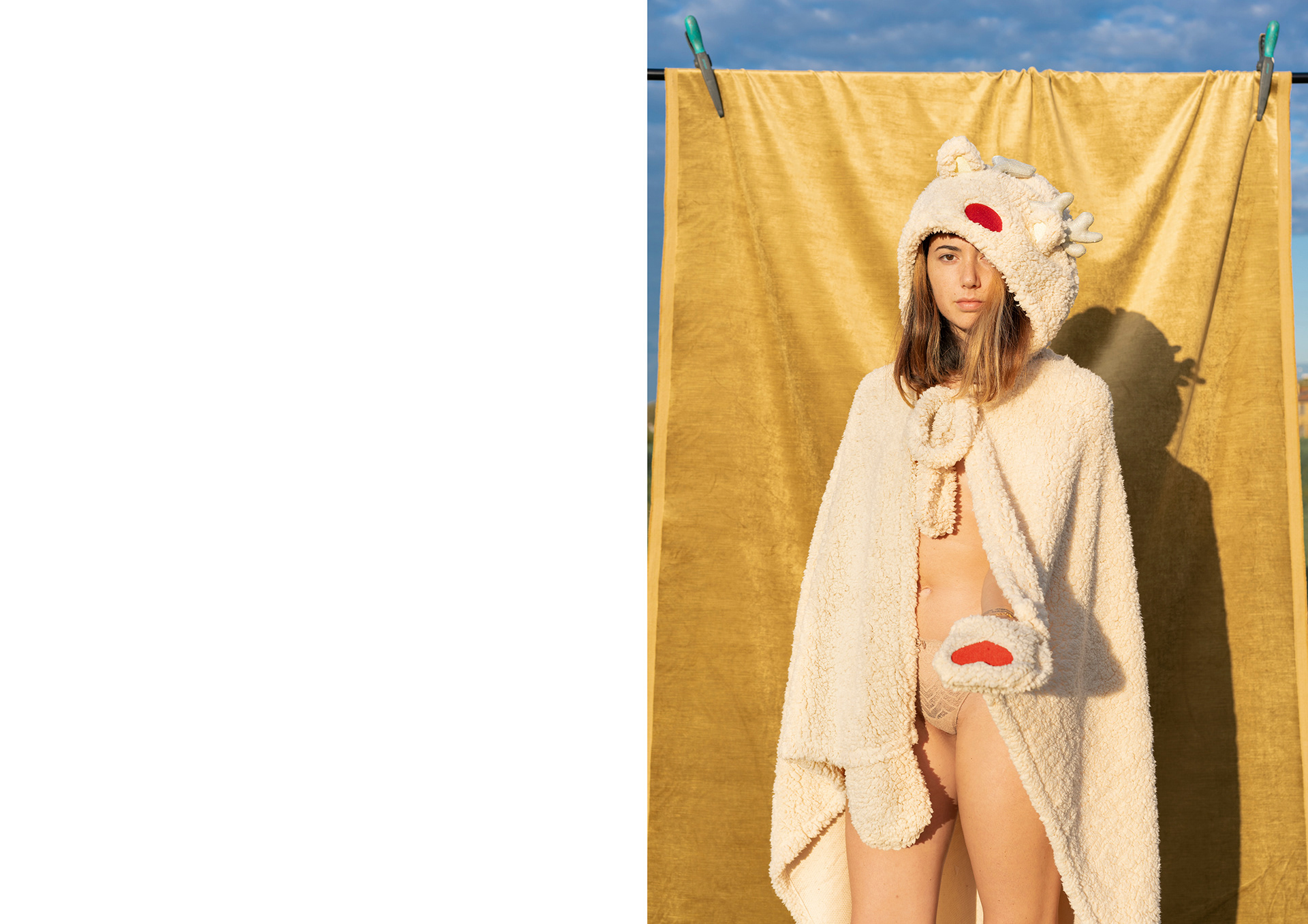
Progetto e dummy selezionato e realizzato durante il workshop di PhMuseum sotto la guida di Tommaso Parrillo della casa editrice Witty Books.
Selezionato da Charta festival e da Hong Kong Photobook Festival.
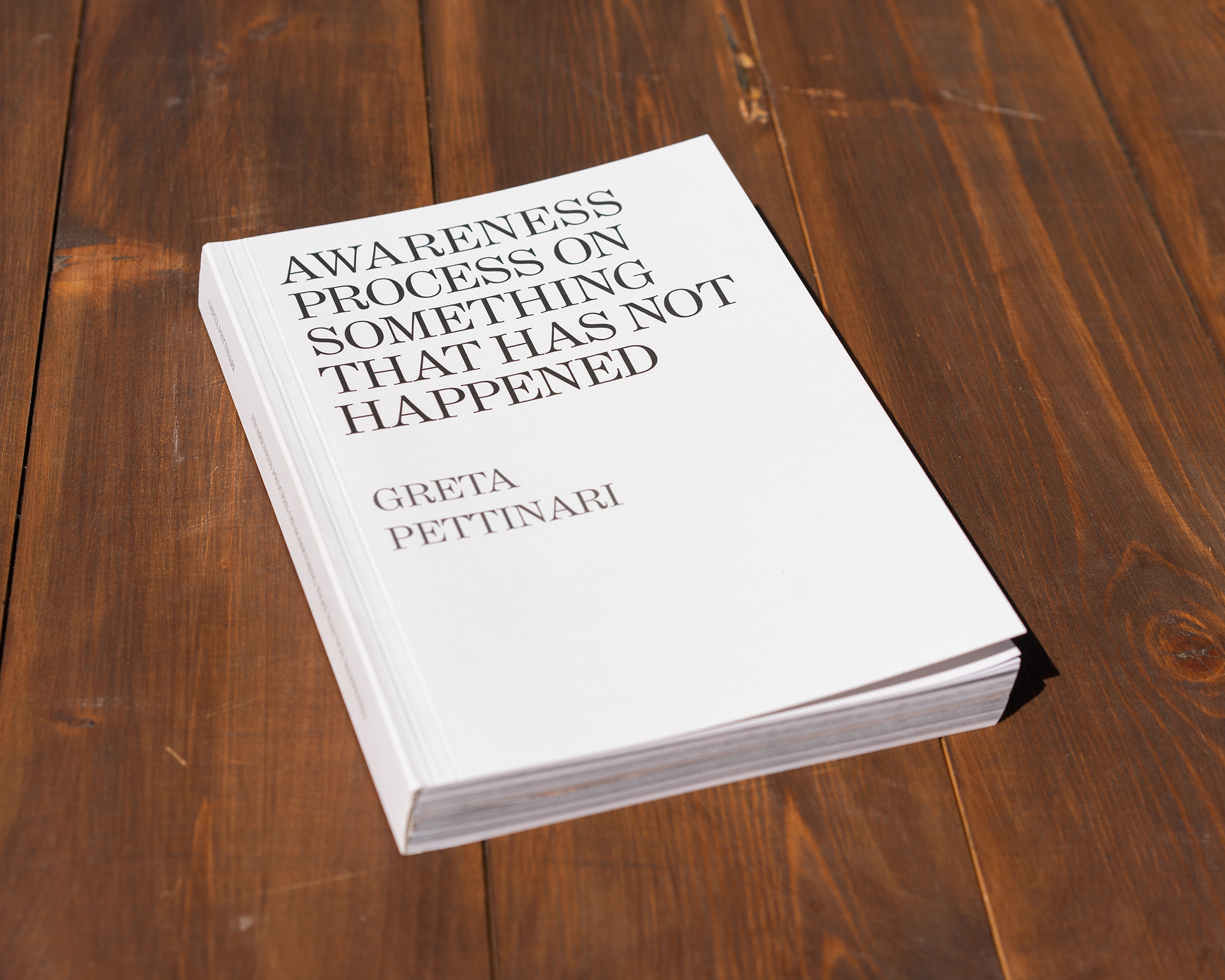
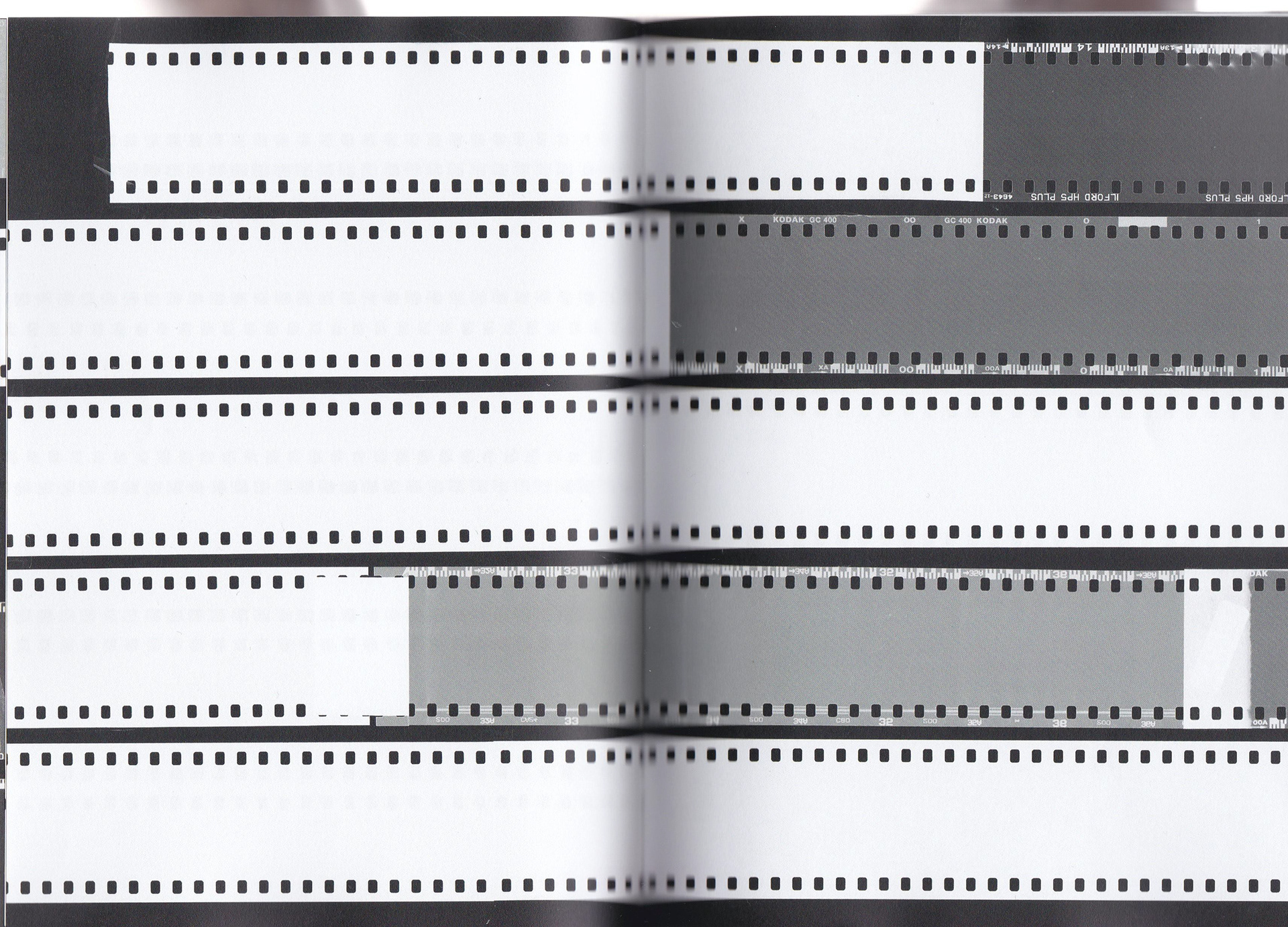
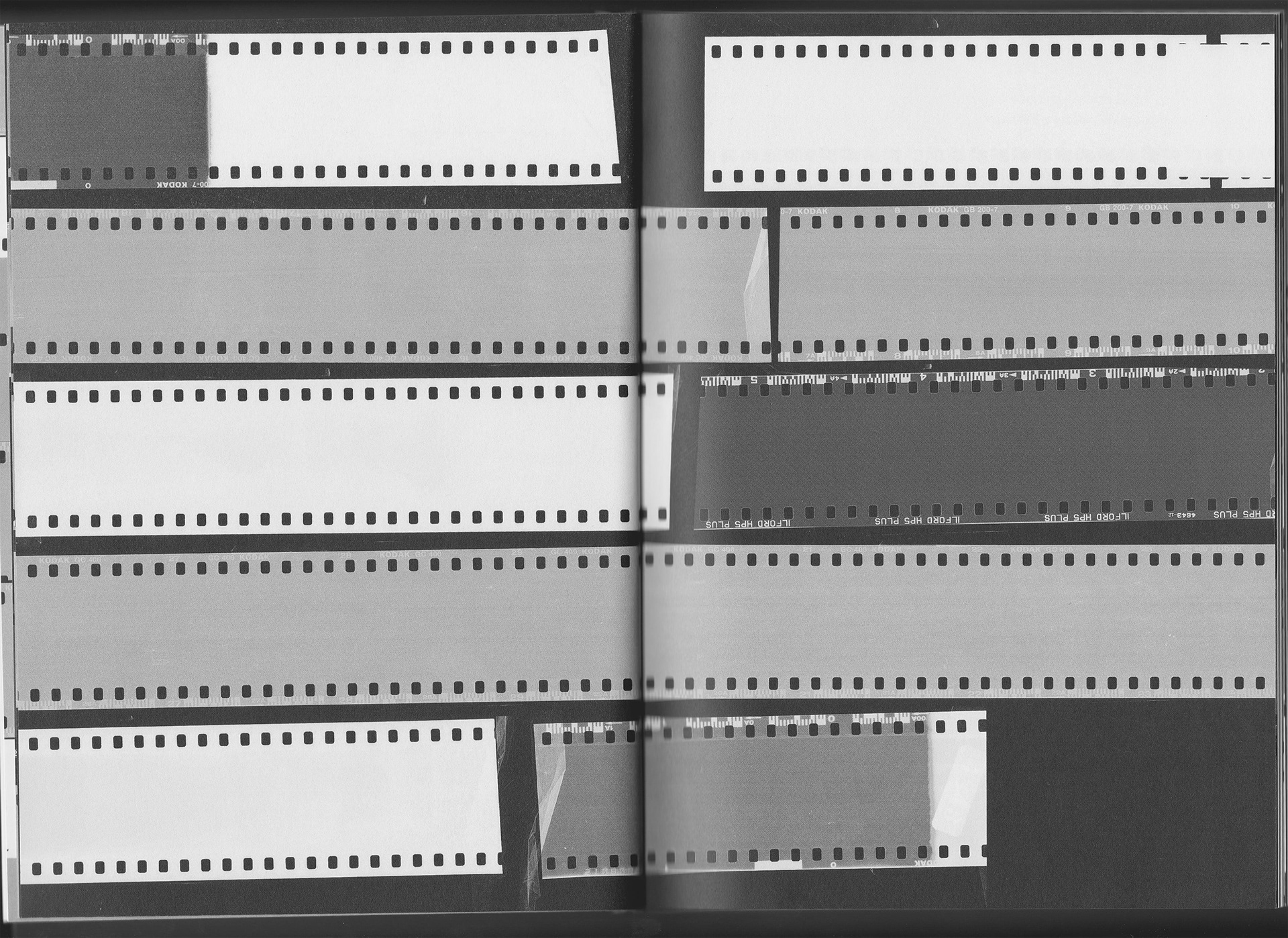
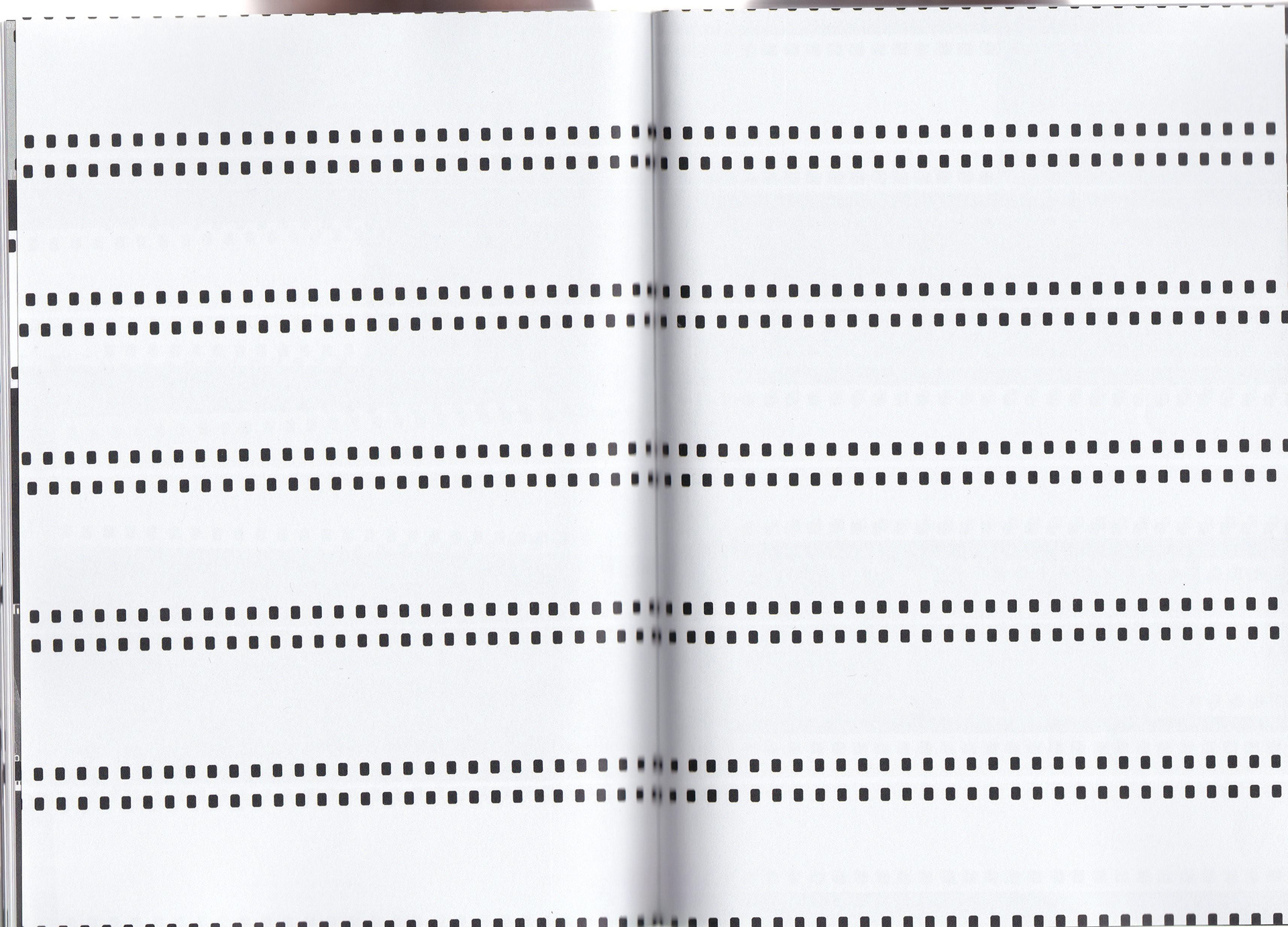
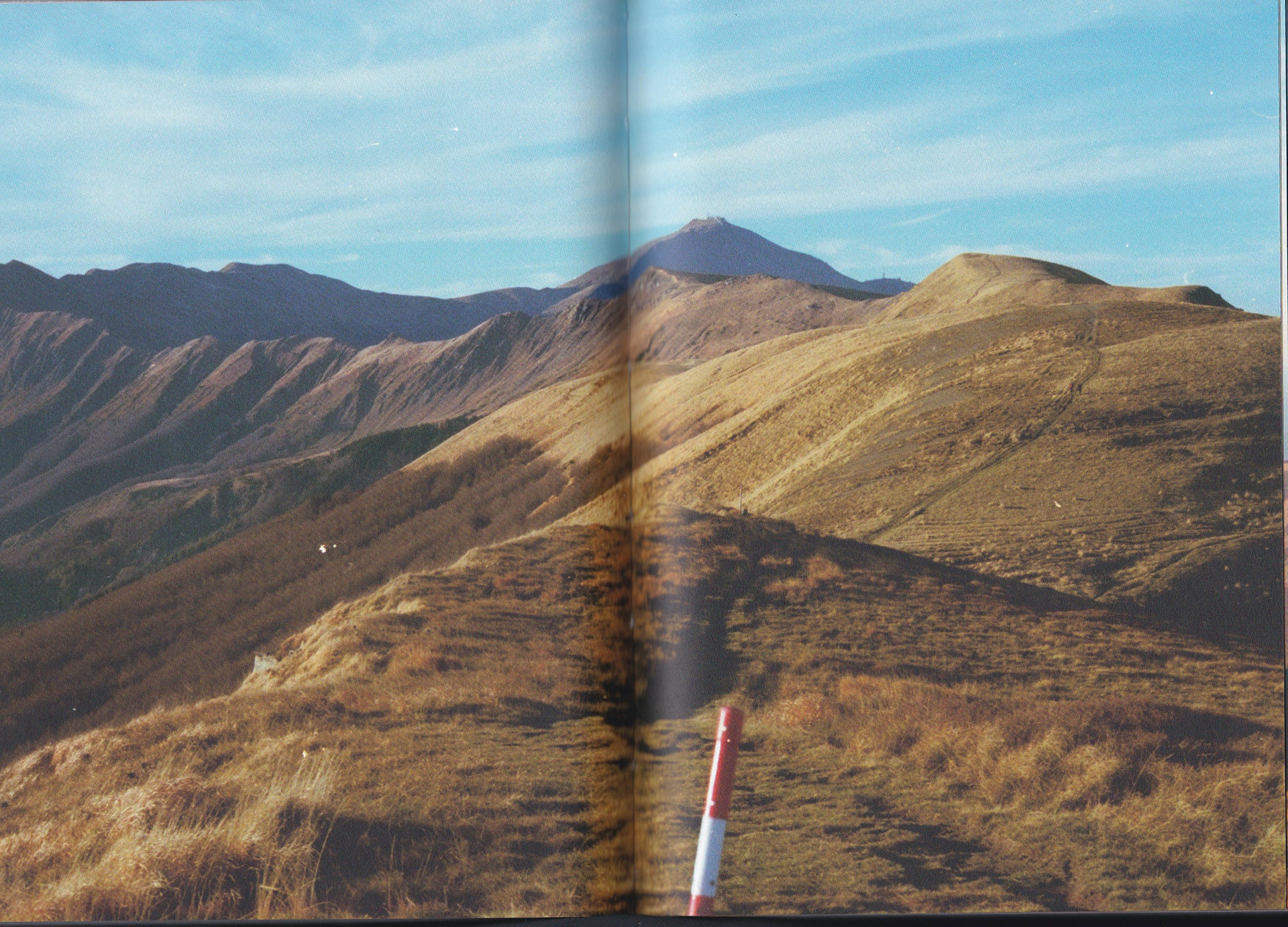
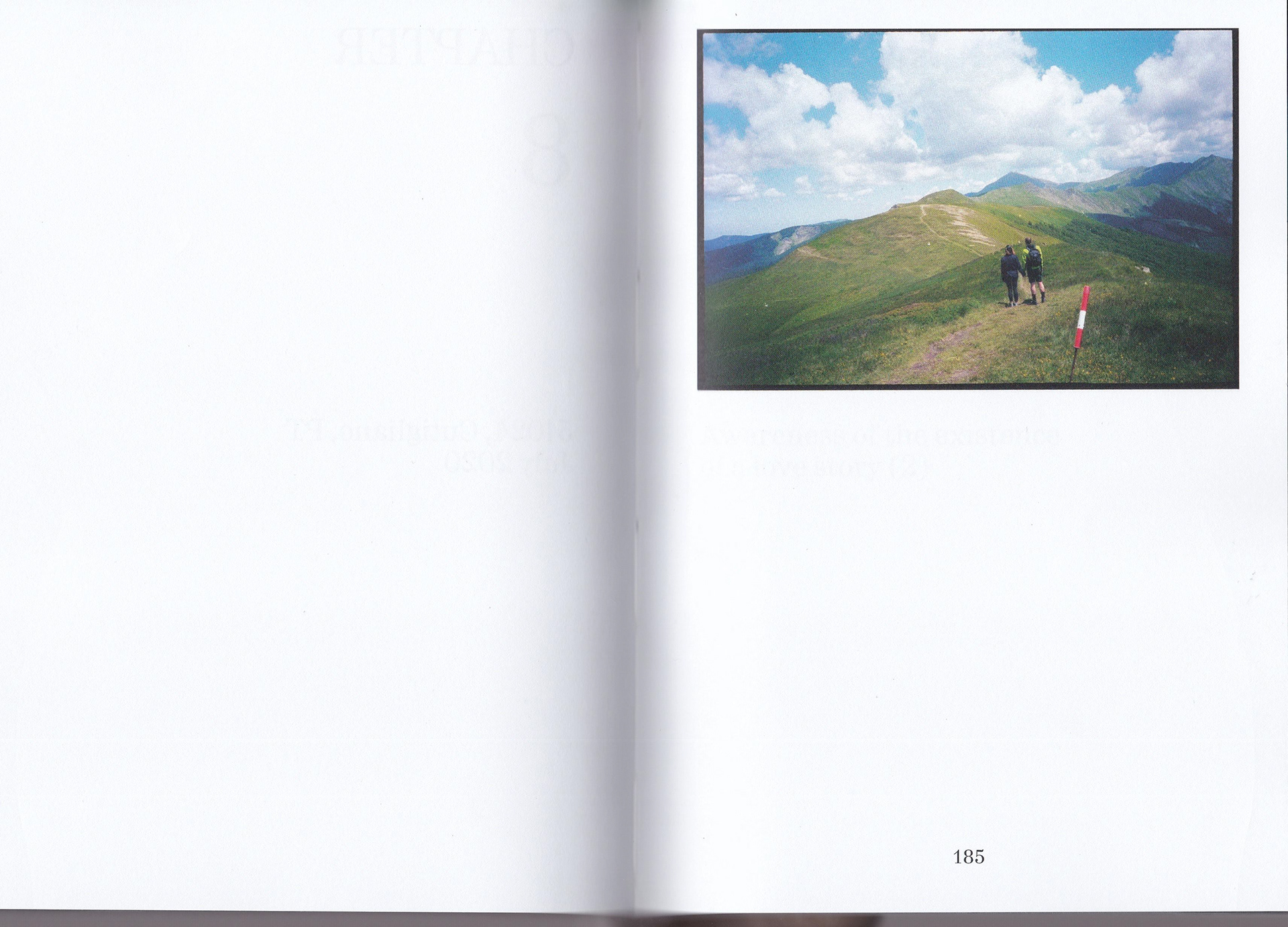
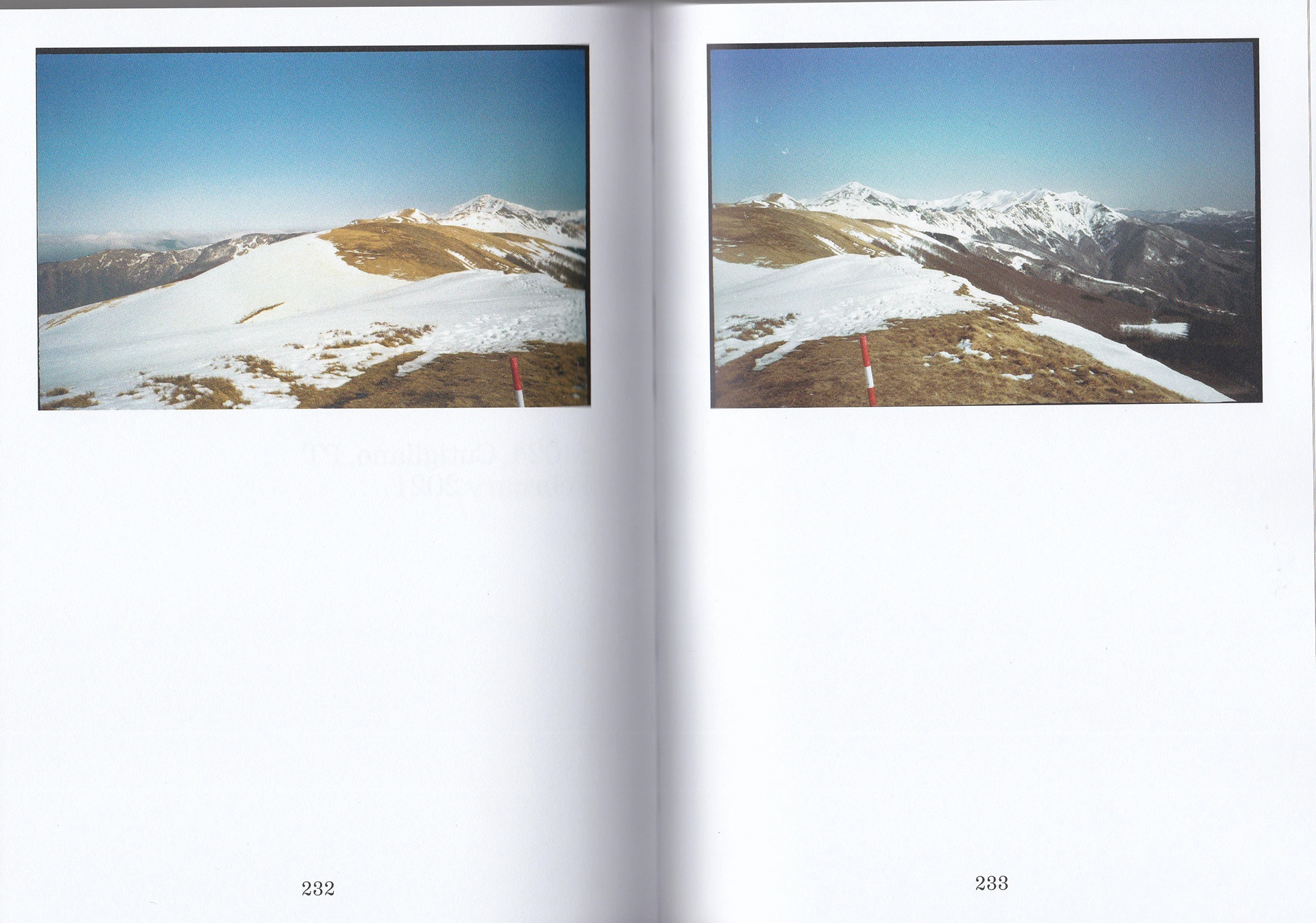
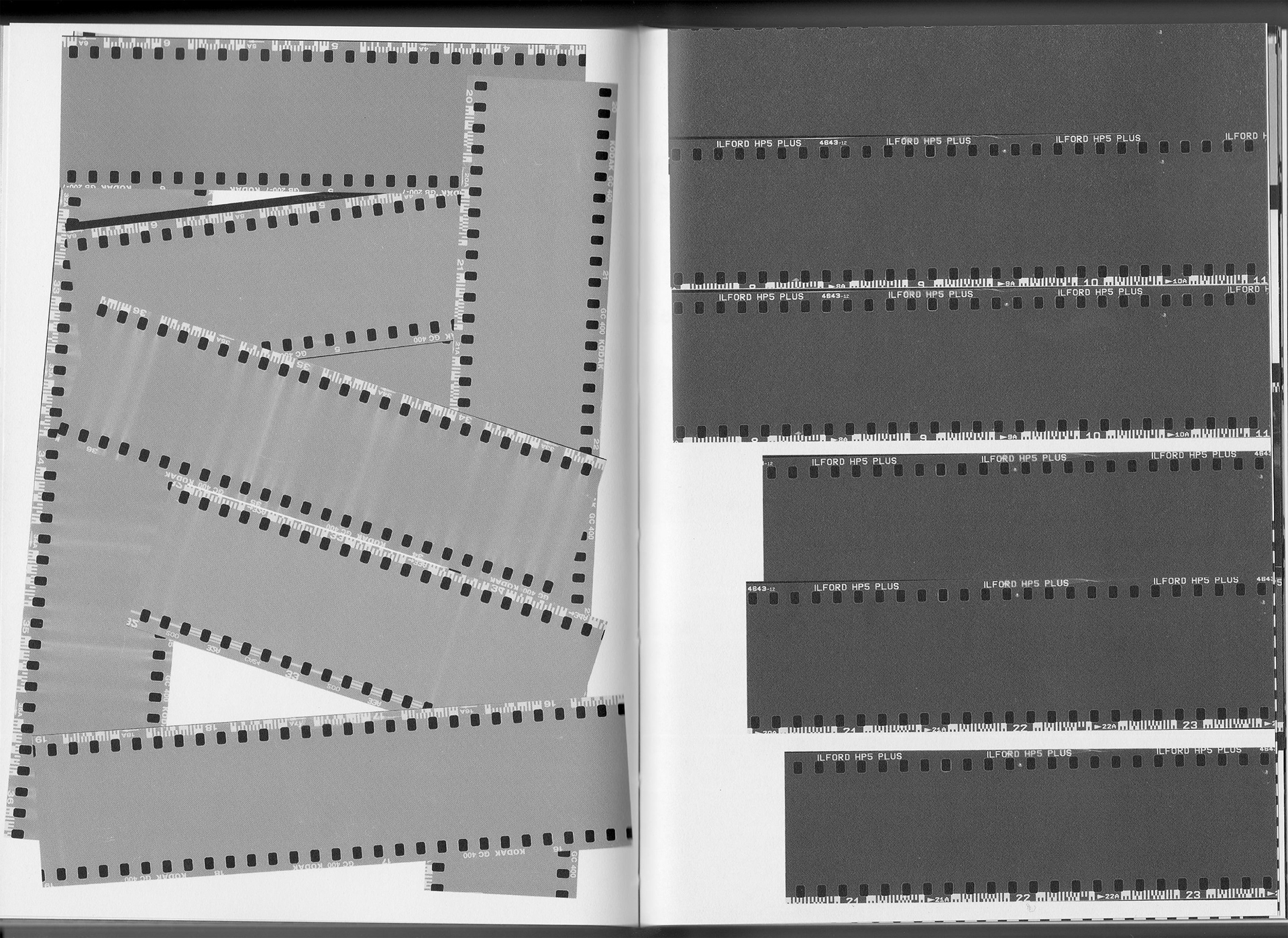
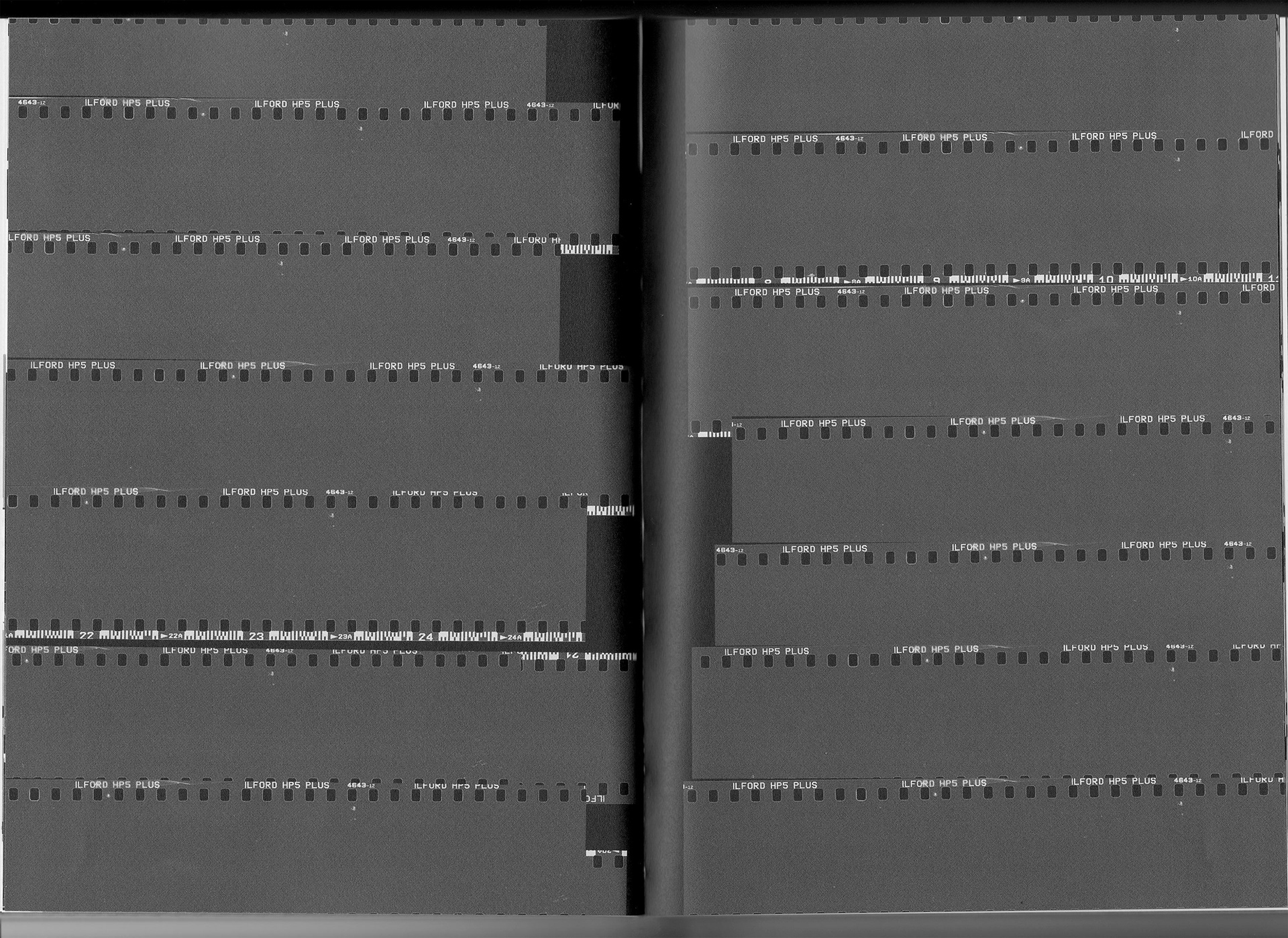
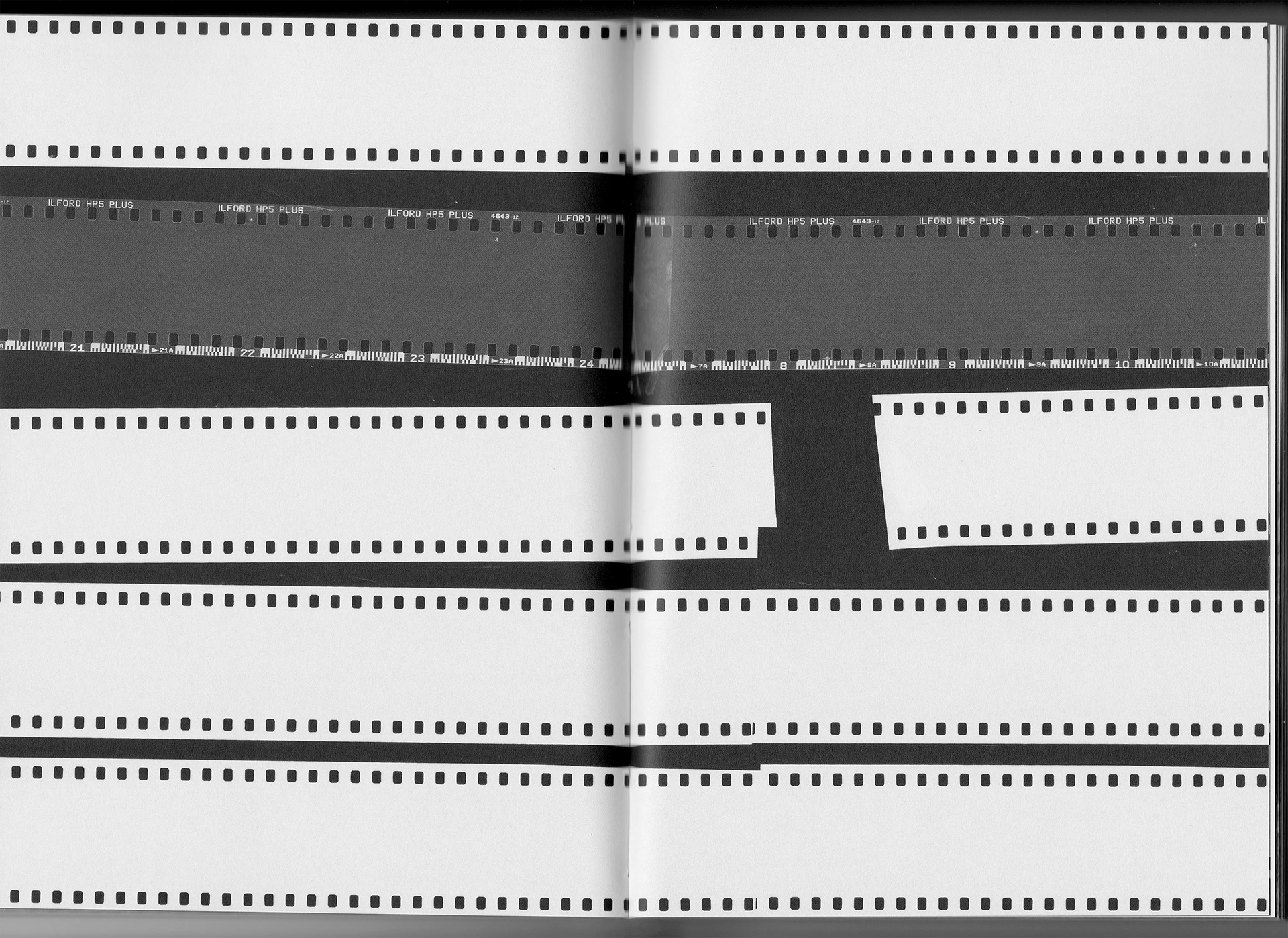
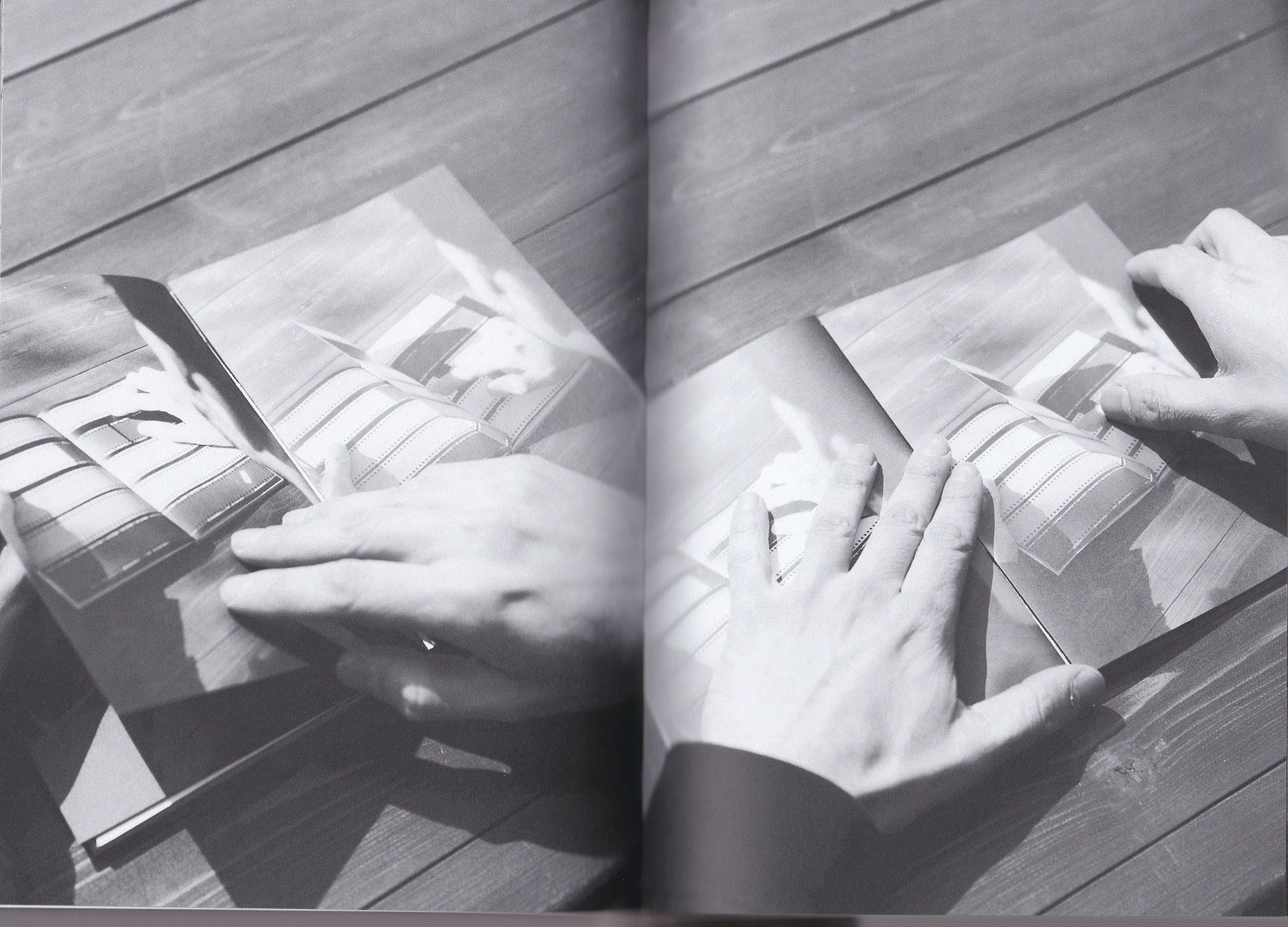
L’idea di realizzare un libro nasce prima del suo contenuto, quando una piccola storia d’amore finì. Era una storia parallela, segreta e tutto quello che succedeva sembrava appartenere ad un mondo altro, una fiaba dove tutto era permesso e nessuno sarebbe stato punito. Un giorno improvvisamente i due mondi collidono, la storia si interrompe bruscamente e entrambi realizzano che non era una finzione e, da quel momento nella realtà, della storia non ne sarebbe più rimasta nessuna traccia. E’ lì che mi sono chiesta se ci fosse un modo per far esistere quella storia nel mondo reale. Se ci fosse un modo per essere sicuri che qualcosa sia esistito. Ecco perché il libro: qui anche la più fantasiosa delle storie inizia a vivere nella mente del lettore non appena egli inizia a leggere. Dopo aver fatto una ricerca sul funzionamento della coscienza e della consapevolezza ed aver capito che per adesso nessuno studio scientifico ha dimostrato i processi mentali della presa di coscienza, questo metodo è solo uno dei possibili modi di prendere coscienza di qualcosa che non è successo. Il libro è suddiviso in 10 capitoli, la maggior parte di essi composti da negativi di pellicola vuoti, alternati a capitoli ambientati in luoghi senza un luogo preciso. I luoghi e le pellicole vuote non portano da nessuna parte, la storia non ha una trama e nemmeno un ambiente. Possiamo dire che il libro sia diviso in due parti: il libro può dirsi finito al capitolo 6 e dal capitolo 7 inizia il processo di presa di coscienza, qui il soggetto legge lo stesso libro che noi in questo momento stiamo tenendo tra le mani, lo scorre pagina per pagina e siamo costretti ad osservarlo leggere. Quel soggetto somiglia noi stessi con quel libro tra le mani: osservare dall’esterno un’azione che abbiamo appena fatto è forse uno dei modi per diventare coscienti di qualcosa. In questo modo il lettore del libro ne diventa il protagonista, diventa elemento fondamentale per l’esistenza storia.
ENG
The idea for a book was born before its content, when a small love story ended. It was a parallel, secret story, and everything that happened seemed to belong to another world, a fairy tale where everything was permitted and no one was punished. One day, suddenly, the two worlds collide, the story ends abruptly, and both realize it wasn't fiction, and from that moment on, no trace of the story would remain in reality. It was then that I wondered if there was a way to make that story exist in the real world. If there was a way to be sure that something had existed. That's why the book: here, even the most imaginative of stories begins to live in the reader's mind as soon as they begin reading. After researching the functioning of consciousness and awareness and realizing that, to date, no scientific study has demonstrated the mental processes of awareness, this is just one possible way of becoming aware of something that never happened. The book is divided into 10 chapters, most of them composed of blank film negatives, alternating with chapters set in places with no specific location. The places and blank films lead nowhere; the story has no plot or setting. We can say that the book is divided into two parts: the book can be considered finished in chapter 6, and from chapter 7 the process of becoming aware begins. Here the subject reads the same book we are holding in our hands at this moment, flipping through it page by page, and we are forced to watch him read. That subject resembles us with that book in our hands: observing from the outside an action we have just done is perhaps one of the ways to become aware of something. In this way, the reader of the book becomes its protagonist, a fundamental element for the existence of the story.